Transforming how we work online

Find out more about our plans to test and build new tools to help you better engage with people and share what people are telling us.
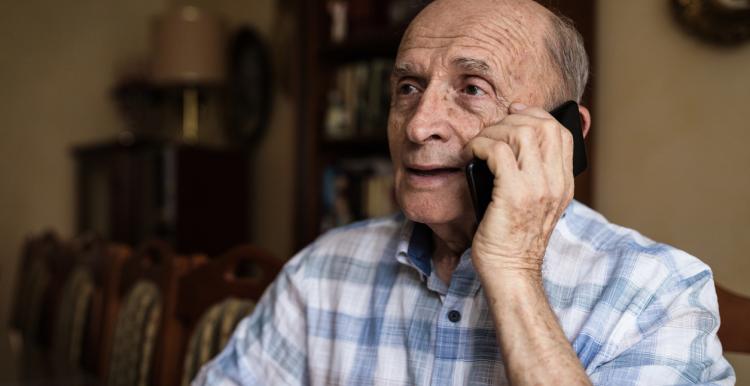
Woman using a phone

The backstory

Over the past year or so we have been reviewing the digital systems that we provide to local Healthwatch and the digital systems that we use at Healthwatch England.

Around this time last year, many of you may have been involved in the extensive research carried out by an external digital agency ‘Wildman and Herring’ that we engaged to ensure that we gained as deep an understanding of your requirements as possible.

Following that six-month research period, we had to pause our digital project as we all responded to the arrival of the COVID-19 pandemic. But since the summer we have been assessing what you told us last year and we are now beginning the process of acting upon the insights you provided.

What you told us

You told us that you wanted help when it came to:

  • Collecting views online and deepening this engagement with your communities
  • Understanding and sharing the insight you collect.

Our review also told us that some of the systems we currently use to collect, manage and share data and insight across the Healthwatch network do not deliver the functionality we require. Nor are they giving us sufficient return on the finance and resources Healthwatch England commits to them.

Plans for 2021

Piloting new engagement systems (February – July 2021)

Before Christmas, you will have seen our first steps in tackling this issue by calling for ten local Healthwatch to trial and test two engagement platforms (five Healthwatch for each platform).

At a time when you cannot engage people face-to-face, we have prioritised looking at what online engagement systems are on offer that might meet your key needs. As a result, we've selected two platforms ‘Engagement HQ’ and ‘CitizenLab’ to test.

Both systems offer a range of tools to help you engage people, have an ongoing dialogue and analyse the results. We know how important it is that local Healthwatch are thoroughly involved in testing as it’s you that will be using whatever digital tools we eventually decide to go with. The pilots will run from February to July of this year as we test their functionality against our existing tools to inform future investment decisions.

Building a new central data store (March 2021 – September 2021)

Another key strand of our digital work will be developing a way for us to better collect and store Healthwatch insight and to make it easier to access and analyse the valuable evidence on health and social care you collect. The ‘Central Data Store’ aims to: 

  • Provide better ways for us as a network to collect feedback – for example, by providing a feedback module for our websites that pulls insight directly into a central place.
  • Allow local Healthwatch to provide and analyse real-time information on local issues.
  • Provide tools to help you compare local data against a larger dataset, for example, how does your data compare with regional and national data. This will help you spot trends and understand the impact that we are making as individual organisations and as a network.

Work on developing this platform is beginning now and will continue through the spring and into the summer.

Website upgrade (April 2021 – March 2022)

Additionally, in the next financial year, we will continue to develop our national website, the 60+ local Healthwatch websites we support and the network site. A crucial part of this work is upgrading the Drupal content management and website platform we use from Drupal 7 to the latest version.

Our promise to you

In all our work digital development work, we keep the pressure faced by local Healthwatch at front of mind. We are acutely aware of the strains placed on your resources. Our prime motivation is to ensure that Healthwatch’s digital offer helps with efficiency and makes life easier for you and your communities.
Healthwatch Week 2020: What did you miss?

Take a look at some of the best from Healthwatch 2020, which saw over 400 staff and volunteers take part in 23 virtual events over four days.
Healthwatch Week 2020 logo

How to use this page.....

Healthwatch Week ran from 2-5 November 2020 and saw staff and volunteers gathered online to learn, share and celebrate. 

  • Find out about the key takeaways from each day.
  • Watch a recording of each session by clicking on the title links, and 
  • Download the presentations from each session.

Day one

A message from Government

The conference kicked off with a personal message from Secretary of State for Health and Social Care Matt Hancock about the difference he believes Healthwatch is making by ensuring that NHS and social care services hear and act on people’s views about care. 

In focus: A look at health inequalities 

Sir Michael Marmot then joined delegates to reflect on the current state of health inequalities ten years on from his groundbreaking report ‘Marmot Review report – 'Fair Society, Healthy Lives’.  

Sir Michael highlighted his belief that the COVID-19 pandemic has:

"Exposed and amplified health inequalities in England." 

Six steps to help tackle health inequalities

When asked by health journalist Shaun Lintern what, as a society, we should focus on to tackle health inequalities. Sir Michael said he thought we need to focus on:

  1. Early childhood development,
  2. Early education,
  3. Employment,
  4. Having enough money to live on,
  5. Healthy and sustainable communities, and
  6. Prevention.

Watch the recording

Key takeaways from sessions on the day

Achieving impact at external meetings

Local Healthwatch plays a vital role at local board and committee meetings, helping to raise the views of local people when key decisions are made. To ensure this role achieves outcomes for local people, be clear about the results we want to see before agreeing to join a meeting with NHS or social care leaders and recruit volunteers with the right skills to represent their communities.

How to best communicate impact

Establish the outcomes you want to communicate from the start.  Be clear about who you are talking to. Make your outcomes relevant to your audience. Communicate at every stage of your project to keep your audience with you. Focus on clarity, use everyday language and make the most of both strong statistics and case studies.

Researching the views of underrepresented groups

Take time to build trust with the communities you want to reach. Work with community leaders and existing groups to find a way in and then engage people on their terms. Be prepared to answer people's questions about how you will make a difference as some people may be frustrated that feedback they have given to services in the past has not been addressed. 

Our approach to equality, diversity and inclusion

Delegates discussed how the Healthwatch network could improve our approach to equality in our work. Key steps raised included identifying what good practice looks like, increasing the diversity of our boards, staff and volunteers, as well as becoming a champion for better inclusion and equality in the way services engage their communities. 

Taking stock of our strategy

Delegates discussed where we could better focus our strategy. Potential steps include improving our use of digital tools to engage people, improving the sharing of data, strengthening our regional profile and concentrating more on underrepresented communities.

Presentations from the day

Download the presentations from the following sessions

  • Health Equity in England: The Marmot Review 10 Years On 
  • Identifying and articulating the impact of influencing through boards, committees and groups
  • How to communicate impact
  • Carrying out research with underrepresented groups during the COVID-19 pandemic
  • Shaping Healthwatch England’s Future Strategy
Presentations from Healthwatch Week Day One

Day two

Day two of Healthwatch week saw some great sessions, ranging from what we can to better campaign at a regional level to how we can improve our support for our thousands of volunteers.

Supporting our volunteers

Carlton Jones from the British Red Cross shared his experience of how best to recruit, manager and support volunteers. Key learnings from this session included:

  • Basing all your support on the values of your service,
  • Making volunteer roles as clear as possible, so you attract people with the right skills, and they understand what they can expect,
  • Providing bite-sized opportunities, so that people can fit volunteering into their busy lives, and 
  • Looking after the welfare of your volunteers, especially during the pandemic, and directing them to sources of help.

Why people volunteer for their local Healthwatch

In focus: Tackling health inequalities - what role can we play?

Our panel of experts discussed what we already know about health inequalities during the COVID-19 pandemic, what changes need to be made and what role Healthwatch can play in tackling these issues. 

Chaired by Healthwatch England Committee Member Danielle Oum, the panellists included: 

  • Joan Saddler OBE, Associate Director of Patients and Communities at NHS Confederation
  • Dr Jenny Harries OBE, Deputy Chief Medical Officer for England
  • Jagtar Singh OBE, Chair of Coventry and Warwickshire Partnership NHS Trust
  • Caroline Waters OBE (Interim Chair) Equalities & Human Rights Commission
  • Anna Severwright, Convenor, Social Care Future

Five reflections from the panel

    1. Services did not give the views and experiences of health and social care users enough priority during the initial response to the COVID-19 pandemic. We cannot let that happen if we are going to get underneath the causes of health equalities and identify solutions.
    2. We need to make more of the existing resources and legal frameworks, but all of us also needs to take personal responsibility for challenging inequality.
    3. Better data is needed and, Healthwatch can play its part by making sure the quality and accessibility of its insight is exemplary.
    4. People affected by inequality need to be at the heart of work on this issue – letting them shape the research questions, as well as putting forward the solutions.
    5. We need to remember that people are individuals with individual needs; they are not “vulnerable groups”. 

Watch the recording

Key takeaways from sessions on the day

Making better use of our CRM

The Healthwatch CRM is a crucial way to record and share information within the network. Ideas on how we can improve the system included using the CRM to capture impact and track volunteer hours.

How to identify outcomes

Using the 'Making a difference toolkit' is a useful way for Healthwatch boards to identify and demonstrate outcomes. However, once you have established how you achieve change, it is essential to test and retest your assumptions.

Improving campaigning at a regional level

Ideas on how to have a stronger voice for Healthwatch at a regional level included working on common issues and appointing regional spokespeople. Healthwatch England can support this activity by arguing for more resources and continuing to provide tools and materials to help campaigns.

Supporting young people's mental health

Young Healthwatch volunteers highlighted tips that can help young people with their mental health during the pandemic.

  1. Seek accurate advice from legitimate sources,
  2. Avoid excessive media coverage,
  3. Look after yourself, and
  4. Stay connected and reach out to others.

Presentations from the day

Download the presentations from the following sessions:

  • CRM: Supporting your impact
  • Volunteering in 2020
  • Identifying Outcomes, Talking Impact
  • The Missing Link: Campaigning on a Regional Level
  • Engagement with young people and their mental health during the COVID-19 pandemic.
Presentations from Healthwatch Week Day Two

Day three

The third day of our conference saw a debate about the future of social care, as well as our annual Healthwatch Network Awards.

This year, the awards highlighted the difference our staff and volunteers have made.

The impact we make

In focus: Social care reform

What will happen to social care in the next 12 months? What changes are needed to resource and reform the way social care is delivered, and how can Healthwatch be part of making change happen? We heard from a panel who included:

Chaired by BBC social affairs correspondent Alison Holt, the panel included: 

  • Clenton Farquharson MBE, Chair of Think Local Act Personal (TLAP) Board
  • Caroline Abrahams, Charity Director, Age UK;
  • Glen Garrod, President of the Association of Directors of Adult Social Services;
  • David Pearson CBE, Chair, Social Care Sector COVID-19 Support Taskforce

Five reflections from the panel

  1. Immediate issues, like using mass COVID-19 testing to support safe care home visits, need to be addressed.
  2. We need to get personalisation right. The emphasis on supporting people's wellbeing and giving choice and control over care - which sits at the heart of the Care Act  - is still the right approach, but it has suffered from poor implementation.
  3. Healthwatch can help provide a much-needed focus on improving the integration between health and care, as well as recognition of the vital role that paid and unpaid carers play.
  4. At a national and local level, there is a need for collective leadership to ensure that the social care sector gets the reforms and investment it needs.
  5. We need to harness the power of the third sector to enable people to live the lives they want, with the right support.

Watch the recording

Key takeaways from sessions on the day

Harnessing best practice and sustainability of the Healthwatch network

Delegates discussed the benefits of using the Quality Framework not only to help improve the work of Healthwatch services but also to provide a positive learning experience for staff, volunteers and board members alike.

Working together: The Care Quality Commission and Healthwatch

The Chair of Healthwatch England, Sir Robert Francis and Ian Trenholm, CEO of CQC, discussed the progress that CQC and Healthwatch have made working together. The impact our joint #BecauseWeAllCare campaign has made in supporting more people to feedback about care was cited as a prime example. Moving forward, CQC committed to doing more to tell local Healthwatch and their communities how the feedback they provide makes a difference.

Watch the recording

How to make change and influence people

This session identified several steps Healthwatch could take to influence local decision-makers. These included:

  • Taking an agile approach to provide rapid evidence on new issues,
  • Supporting people affected by an issue to tell their story directly to decision-makers, and
  • Highlighting solutions that will help to address the problems we have identified.

Presentations from the day

Download the presentations from the following sessions:

  • Harnessing best practice and sustainability of the local Healthwatch network
Presentations from Healthwatch Week Day Three

Healthwatch network awards 2020

In our first-ever virtual awards ceremony, we celebrated the difference our 4,400 staff and volunteers have made over the past twelve months.

Find out more


Day four

Our final day started with a session looking at the different approaches local Healthwatch take to supporting local communities to have their say.

Delegates heard how the 'models of engagement' had been tested, led to changes and were now available as guides so that any local Healthwatch could use them.

Three models of engagement

Why partnership matters

We could not achieve change without the support of local charities, the NHS and social care services. We ask some of our people why partners are so important to our work.

In focus: Keeping people at the heart of care in the new normal

This discussion focused on how we can make sure people and their communities are involved in how health and social care systems are changing, and the role Healthwatch can play. 

Chaired by Rob Webster, CEO of South West Yorkshire Partnership NHS Foundation Trust, the panel included:  

  • Amanda Pritchard, Chief Operating Officer, NHS Improvement
  • Sarah Pickup, Deputy Chief Executive, Local Government Association
  • Dame Julie Moore DBE, Professor Healthcare Systems, Warwick University
  • Steve Barwick, Director, DevoConnect

Five reflections from the panel

  1. We will face a long-haul recovery, but we cannot return to how services were before, we need to move forward.
  2. There needs to be a focus on reducing inequalities in health, addressing variations in care and using our resources to make the biggest difference we can.
  3. We also need to build on the positives that have come out of the pandemic, such as the community spirit, the value people place on green spaces or the joined-up way NHS, social care and public health services have worked together.
  4. Greater health and social care devolution will be essential, and
  5. Healthwatch can play a significant role by helping care to become more personalised, assisting services to get a broader perspective, advocating for people whose needs are not being met and supporting the message that the NHS is open for business.

Watch the recording

Key takeaways from sessions on the day

The future direction of NHS services

Danny Mortimer, CEO of the NHS Confed, discussed the future direction of the NHS. At the moment services are dealing with rising COVID-19 admissions, a backlog of care built up in the first COVID-19 peak, as well as maintaining services and meeting winter pressures.  Coming out of the pandemic, we need to ensure that services are sustainable by focussing on:

  • Being honest and realistic about the decisions we face, 
  • Building a flexible culture, 
  • Integrating health and social care,
  • Tackling health inequalities, and 
  • Investing more. 

Watch the recording

A volunteering story

Volunteers from Healthwatch Sefton shared their volunteering experiences before and during the pandemic, why they volunteer and what they have gained. We also heard about the approach the service takes to giving volunteers the best possible experience. Delegates followed this with a discussion about the steps the network can take to strengthen volunteering. Suggestions included auditing the volunteer skills we have and what volunteers get in return, building a bank of standard roles and improving our promotion of volunteer opportunities within care services.

Making a difference in a changing landscape

The conference ended with our Chair Sir Robert Francis and National Director Imelda Redmond reflecting on the four days of the conference. Sir Robert talked about how far the Healthwatch network has come in recent years.

We no longer have to talk about our hope of making a difference as a network; we can now celebrate the impact we are having.

Imelda then went on to talk about how we need to build on this impact by getting better at:

  • Reaching out to every section of the community to help tackle the inequalities in care that people face,
  • Supporting the sharing of real- time insight between Healthwatch England and local Healthwatch, as well with the health and care professionals so they can act on what people tell us, and 
  • Building the sustainability of our services and our influence at a regional level.

Watch the recording   

Downloads

Download the presentations from the following sessions:

  • The future direction of NHS services

  • Models of Engagement Showcase

  • A volunteering story

Presentations from Healthwatch Week Day Four

Tell us what you thought of Healthwatch 2020?

We want to know what you thought of specific sessions at this year's conference. 

Tell us your views

Three new guides to help you engage with people in your communities

Learn more about different ways that you can engage with your communities in these three guides, produced by local Healthwatch.
People talking at a Healthwatch event

Speaking to people in your communities about their experiences of health and social care is at the heart of the work you do. Last year, you asked for examples of creative approaches to engaging with your community, and told us that it was your number one priority.

We offered grants to three local Healthwatch to produce simple guides based on engagement approaches which worked well for them. We're sharing and showcasing these how-to guides, which you can replicate and adapt for your own engagement projects. 

Each guide includes steps to take, resources you will need, top tips for success and the benefits you will find from using the model.  

All were developed before COVID-19, so include face-to-face engagement, but in light of this year’s events, each now has a section on how you could deliver the model remotely. 

This was our 2020 pilot, and if they are well-received and well-used, we will offer grant opportunities for more of you to develop and share your successful models. 

Models of Engagement 

Thank you to Healthwatch Wiltshire, Healthwatch Leeds, and Healthwatch Croydon for producing these guides.

Share your feedback about these resources

Contact Marianne Patterson - Learning and Development Manager

07384 902 730

marianne.patterson@healthwatch.co.uk

Four ways to reach people who are not online

How do we engage people who can't use the internet, don't have access or feel comfortable talking to us in this way? Find out how local Healthwatch across England are addressing this issue.
Elderly man resting at home and using mobile phone

Since the outbreak of COVID-19, we have had to carry out most of our public engagement online. But how do we talk to people who can't use the internet, don't have access or feel comfortable talking to us in this way?

We ran six online sessions with over 100 local Healthwatch staff and volunteers to explore this question, and here is what you told us about what worked from your perspective.

Work with local partners

One of the main themes was that success depends on good relationships with local partners.

We heard examples of Healthwatch promotional information, surveys and Freepost envelopes being included in packs for people who receive care at home, in food parcels for those shielding and in pharmacy bags. Food banks, care homes and COVID-19 community hubs also agreed to promote our work to their clients.

Homeless charities, community leaders and social prescribers have been promoting Healthwatch information and advice services, and in some cases completing paper surveys with their clients, during visits or over the phone. Other partners have gained consent to pass on phone numbers to Healthwatch so they can carry out phone interviews.

Top tip

Have you mapped and reached out to the frontline organisations in your area who are still visiting people at home or doing welfare calls? Some may be keen to promote your service or accept your help in carrying out welfare calls. Many local Healthwatch mentioned charities like Age UK as a positive partner to engage.

Use your local press and newsletters

Your local media is also a key ally. Lots of you have partnered with radio stations, newspapers, as well as their local parish, housing and council newsletters to encourage people to share their experiences or to access advice.

The 'Did You Know?' column authored by one Healthwatch in a local publication resulted in 50 phone calls from local people. Another Healthwatch produced a signposting guide and had it delivered to every household in the borough. They generated 200 calls in response.

Top tip

Local papers and newsletters need good content. Your volunteers may be aware of community newsletters that aren't on your list. Why not update your list and send them an article to promote your phone number, information and advice service and any surveys that people can do over the phone.

Think about how you maximise phone calls

There were great examples of local Healthwatch that have increased their use of telephone calls to be able to engage with people who are not online.

One example was an arrangement with the NHS to telephone patients after they have been discharged from the hospital. As well as checking on the welfare of patients, the calls provided an opportunity to make sure patients knew they could call Healthwatch for information they need.

Another worked with three GP surgeries to send text messages to all patients with a link to a survey and a Healthwatch contact number so people could call with feedback.

Even if running online events, meetings or focus groups, many Healthwatch are using the function on systems like Microsoft Teams and Zoom that allows people to join by phone. They also post out any slides or information before the meeting so that people who aren't online can still take part.

Top tip

Many people who aren't online still have a 'pay as you go' mobile. Do you offer a text service? You could give people the option to text you their feedback, request a phone call or answer short questions by text.

Harness your volunteers

As always, Healthwatch volunteers have proved to be our biggest asset. Using their local knowledge and contacts, our volunteers have helped reach out into our communities.

Many have walked the streets, doing door-to-door leaflet drops, and delivering posters and flyers to pharmacies, GP and other local services.

Volunteers have also phoned friends, neighbours and community contacts to share up to date information, gather feedback and to let them know we are here for them.

One Healthwatch shared a campaign where they asked people to volunteer to help just one person that they know who isn't online to complete their Healthwatch survey.

Top tip

Think about how your volunteers can help to map local frontline groups, community newsletters, writing content and getting Healthwatch information and surveys out into the community.

Volunteer management: What support is available?

Read about our new volunteering programme, as Alvin Kinch, Volunteering and Regional (London) Network Manager, shares the support available from Healthwatch England for volunteers and their managers.
Young woman standing outside in a Healthwatch polo shirt

Meet Alvin – after working at Healthwatch England for several years, she is now also the lead for our national programme on volunteering, following the restructure of the Network Development Team.

“I hope the following gives you more information about the new volunteering activities taking place – and a flavour of my new role”

Why focus on volunteering?

“Volunteers have always been crucial to the delivery of Healthwatch - something we have recognised and celebrated in many ways over the years.

“Volunteering at Healthwatch is a unique experience; each person is contributing to making real change across England, as part of undertaking statutory activities within each local authority area.

“Each year we have shone a light on volunteers through Volunteers Week, Student Volunteers’ Week, and using your own reward and recognition activities and programmes.

“With over 4,000 volunteers across the country, we highlight the invaluable roles volunteers play with our awards at national conference each year.”

Take part in our volunteer management survey

Do you manage or support volunteers at a local Healthwatch? We want to hear from you. The Volunteer Management Survey aims to help us understand more about volunteering across the network, including any learning and development needs. Help us to help you by sharing your experience of managing volunteers in our new survey.

What can you expect from our volunteering programme?

“Healthwatch England are investing in supporting local Healthwatch volunteer management and development. Due to the unique volunteering roles across the network, we believe it’s essential to provide bespoke resources and guidance.

“We recently ran six webinars on managing volunteers remotely, attended by over sixty staff who manage volunteers. People shared how they are keeping in contact with their volunteers during the pandemic, as well as sharing different activities volunteers undertake both inside and outside of Healthwatch. Some are involved in their community response, whilst others are shielding or self- isolating. Volunteers Week was also discussed, to remind local Healthwatch how they could use national events to recognise and thank volunteers for their contribution. I’m really pleased we still celebrated volunteers this year.

“One of my reflections of the sessions was that Healthwatch staff appreciated the time and space to talk about their experiences, and valued hearing from their peers.

“As a result of the webinars, and with the help of several local Healthwatch colleagues we have produced three resources:

What’s next?

Volunteer Management Survey

“We have launched the Volunteer Management Survey to gather your ideas and increase our knowledge about volunteer management within the network. We want to understand the learning and development needs of those who manage and support volunteers. Please make sure we hear from your Healthwatch.”

Volunteer Lead network

“We will be establishing a Volunteer Lead network for staff managing volunteers, so that we can:

  • Share best practice and learning
  • Help each other with opportunities and challenges
  • Ensure our resources meet your needs.”

Volunteer management guide

“We’ll be producing a volunteer handbook, covering everything from recruiting and retaining volunteers; supervising and managing volunteers; providing a sample volunteer policy and code of conduct and much more. This resource will be shared before Healthwatch Week.”

One of my reflections of the sessions was that Healthwatch staff appreciated the time and space to talk about their experiences, and valued hearing from their peers.

Alvin Kinch

What other support is available?

Working groups

“Our Working with Volunteers group on Workplace is a good place to share learning and ask questions.

“We acknowledge that over the last few months some Healthwatch staff and volunteers have been feeling demotivated, as they wonder when they will be able to get back to their former roles involving face-to-face events and activities with people. Please share in this group what you have been doing to keep your volunteers motivated. Our Meeting face-to-face’ guidance may help you consider how best to protect your staff, volunteers, and the public during this time.

 “It’s also been great to have volunteers as part of our working group that is helping to plan ‘Healthwatch Week’. We are expecting more volunteers to attend than previous years and will be showcasing the resources available to volunteer managers.”

Webinars

“We have placed a big focus on supporting the network with engagement. We held multiple sessions across August on engaging with people who are digitally excluded. Here we provided an opportunity to discuss how to keep collecting the experiences of people who don't have internet access using non-digital engagement techniques. Local Healthwatch shared ways which are working well, and approaches that are proving successful during COVID-19.

“In another series of online sessions with over 80 Healthwatch from across the country, in which learning and best practice was shared, we produced the ‘Top tips for engaging well with people online’ guidance.

“You can stay up to date with upcoming webinars and events which may be useful in your role in the ‘Training and events’ section of the network site.

“During Healthwatch Week, we will also be hosting a webinar for volunteer managers, as well as a session for volunteers.”

Remember the resources: For wellbeing

“Whilst the volunteering programme is about helping you provide the best support to your volunteers in delivering Healthwatch objectives, remember to look after your own wellbeing.  

“Make sure you have the support you need, and access to useful information. The network site has several articles to help you work remotely, as does the Healthwatch public site. For example, our articles on creating a routine, or six ways to work well from home, could help you during this time.”

Healthwatch Annual Survey (Data return)

“Thank you to those of you who completed the Healthwatch Annual Survey this year. We will be sharing the results from the data analysis soon.

“I especially look forward to understanding how to better support volunteers across the network and contribute to the success of the volunteering programme.

“One of Healthwatch England’s priorities is to better understand the local Healthwatch approaches to Equalities and Diversity; both shining a light on good practice, whilst providing support for improvements needed. Towards the end of the year, we’ll be planning our 2021/22 work plan. This will potentially include a focus on capturing the impact made by volunteers, and how their roles can play a part in Healthwatch campaigns.”

Get in touch

To find out more about the volunteering programme please contact me, Alvin Kinch, Volunteering and Regional Network (London) Manager.

07789 876794

Alvin.Kinch@healthwatch.co.uk

I look forward to meeting more of you in the upcoming months.

How accessible is your website?

From 23 September 2020, Government websites must meet new accessibility regulations, although the regulations are unlikely to apply to Healthwatch services, we have looked at the steps you can take to make your online information accessible.
Accessibility computer icon

From 23 September 2020, Government websites must meet new accessibility regulations to help make sure they can be used by as many people, as possible.

Although the regulations are unlikely to apply to Healthwatch services, we have looked at the steps you can take to make sure your website is as accessible as possible for people who have visual impairments, hearing issues or other conditions that might make accessing information harder.

What are the accessibility regulations?

The 2018 accessibility regulations were introduced to make sure that the content and design of public websites are clear and simple enough for most people to use without needing to adapt the website, while also supporting those who do need assistance – for example, by using screen reader software.

The regulations need to be met by all public sector bodies unless they are exempt. Public sector organisations are judged to have met the accessibility requirements if:

New websites that were published before 23 September 2018 need to comply with the 2018 regulations by 23 September 2020. Any websites or apps published after this date should have complied from 23 September 2019.

Should Healthwatch websites and apps be accessible?

As a matter of best practice, we would advise local Healthwatch to make sure that any website or app they are responsible for meets the AA accessibility standard. 

Local Healthwatch also have a general obligation under the Equality Act 2010 to make reasonable adjustments for people with disabilities when they’re needed - for example, by providing the information they need in another, more accessible format.

However, the accessibility regulations are unlikely to apply to most local Healthwatch services because:

  • they do meet the definition in the regulations for a public sector body; and 
  • even if they do meet that definition, they will most likely fall under the exemption which provides that ’non-governmental bodies’ will be exempt unless they provide services that are essential to the public; or specifically address the needs of, or are meant for, persons with disabilities. 

Given the different types of organisations who provide Healthwatch services and the range of activities you may be carrying out, we would advise individual Healthwatch providers to seek legal advice if they are unsure whether the regulations specifically apply to their websites and apps.

Making your websites and apps accessible

To make sure your website is accessible you can:

  • Talk to your website designer or provider. If you use the website provided by Healthwatch England, this has been built to meet W3C AA standards for accessibility.
  • Provide an accessibility statement. If you use the website provided by Healthwatch England, these already provide an accessibility statement for you to use and update.
  • Follow best practice when it comes to accessibility. Our full website guidance contains lots of step by step tips on making sure your content is accessible.

Accessibility overlays and platforms

There are several tools out there to help you make your website more accessible. However, before you invest money in one, it's essential to do your research and ensure you spend your money on the tool that will help you the most. 

Accessibility platforms

Platforms are usually online cloud-based systems. They monitor the accessibility of your site, show you accessibility issues across your site and explain how to fix them. 

Accessibility overlays

Overlays are added to a website and give people more accessibility options such as resizing text, changing colour, or highlighting elements. Among web accessibility experts, overlays are not considered worthwhile due to the many downfalls of the products.  

Find out more about overlays and platforms

Examples of how you can make sure your everyday content more accessible

The World Wide Web Consortium who set standards provide lots of advice and guidance on accessibility. Examples of how you can make content accessible include:

  1. Make sure the images you publish have alternative text (alt-text).
  2. Provide transcripts of audio information
  3. Break up text with clear headings, short paragraphs and bulleted lists
  4. Use plain English to ensure your copy is easy to read and understand

Learning from our board governance webinars

Gavin Macgregor, Head of Network Development talks about why good governance and decision-making is important. He also outlines some of the challenges Healthwatch Chairs say they face running a Healthwatch.
Man in suit

You told us you would like more support for Healthwatch Board members and Chairs. In response, we held a number of online sessions to talk about Healthwatch governance and decision-making, as well as the challenges faced by Boards and how we can help.

Good governance and decision-making

Governance and decision-making are important aspects of running a Healthwatch. The Healthwatch Quality Framework, which aims to provide a shared understanding of the key components to an effective Healthwatch, has a whole domain dedicated to it.

Legislation requires every Healthwatch to publish a policy, which sets out how ‘relevant decisions’ are made. It is important that decisions are made in-line with qualities that underpin the Healthwatch brand, including independence, transparency, integrity and accountability. These qualities ensure that good governance is embedded at the very core of a Healthwatch and how it operates.

Julia Unwin, Chair of the Inquiry on the Future of Civil society and commentator on governance has identified five roles for Boards. We have set out these roles below, including the combination of questions that a good Board should consider. Good Boards are clear about the difference between governance (setting goals and ensuring things are done) and managing (making things happen).

  1. Strategy: Setting priorities and future direction
    How does this fit with our plan?

  2. Scrutiny: Overseeing performance
    Are we on track?

  3. Support: Supporting the CEO
    What support do you need?

  4. Stewardship: Risk Management and asset protection
    What is the risk to us in this project/partnership/bid if we don’t act?

  5. Stretch: Challenging and questioning
    What are we doing about it?

The challenges Healthwatch boards face

Local Healthwatch identified several challenges when it comes to good governance and decision-making, including:

1. Clarity of roles and responsibilities
There are two models for delivering Healthwatch Standalone (delivering a single Healthwatch) and hosted (the contract holding organisation may deliver non-Healthwatch activities and/or multiple Healthwatch contracts).
It is important to have clarity about arrangements for governance and decision-making. The Board of a standalone Healthwatch will be responsible for all of the tasks as laid out below, while a hosted model will need to decide on arrangements between the Board of the contract holder and the Healthwatch Advisory Board. Clear terms of reference, a good induction and support can help to avoid confusion and ensure the independence of a Healthwatch Advisory Board.

Who is responsible for which tasks?

Board of contract holder

  • Delivering the contract and statutory duties​
  • Managing staff​
  • ‘Appoint’ and set out terms for independent board (hosted model)

Healthwatch Advisory Board

  • Setting priorities​
  • Making decisions and publishing decision-making policy​
  • Representing Healthwatch​

Both the Healthwatch Advisory Board​ or Board of contract holder and Advisory Board are responsible for maintaining independence​ and agreeing and monitoring the work programme. This must be agreed and transparent​.

2. Legal duties
Being a Board member comes with a whole set of responsibilities, including legal ones. It is important Board members understand what these are. If in doubt, the  NCVO has a range of information and guidance.

3. Diversity and Skills of a Board
Do your trustees have the range of skills and experience that you need to provide strong and inclusive leadership? The skillset needed to govern an organisation is different from acting as a representative and influencer (although an individual could combine both). Does your Board composition reflect the diversity of the community you work in? If you elect Trustees, how does this impact on skills and diversity?
Regular skills audits are a useful way to think about your recruitment practices and other opportunities for encouraging diversity. Have a read of ACEVO’s blog on Trustee Recruitment, which reflects on some important points.

4. Support for Board Members
Feedback from Healthwatch stressed the importance of clear accessible information with clear recommendations to enable good decision-making. Regular reporting by the CEO supports accountability and trust. Regular Board reviews should be in place to ensure the Board is working well.

5. Management versus Governance
Management is about implementation, coordination and making things happen; governance is about ensuring things are done; it sets framework and goals.

6. Shared Boards
With the increase in joint commissioning we are seeing two Healthwatch sharing the same Board. Such arrangements will need to ensure Board members have a good understanding of each Healthwatch area.

7. Volunteering and Boards
A Board member who carries out volunteering needs to change hats and be responsible to the staff member managing the activity.

8. The Burdened CEO
It’s easy for the CEO to shoulder the responsibilities of the Board. But is this sustainable or desirable? It may be just about OK in good times, but if things go wrong that’s when you’ll know all about it.

Houston, we have a problem.
Things go wrong. Relationships can break down. You know things are not right but don’t know how to raise them. What do you do? Carrying out a Board review with an external facilitator can help – and my team at Healthwatch England can help you find one.
We’ve found that Healthwatch have valued completing the Quality Framework as it asks questions that can start a conversation. Talk to your Healthwatch England Regional Manager to talk through any difficult issues you encounter.

Supporting you as a Healthwatch Board member:

I’ve selected a range of resources that you should check out, including:

  • A monthly email with a quick digest of important information tailored to support Healthwatch Chairs. Sign up by emailing hub@healthwatch.co.uk
  • Our Guide to Running a Healthwatch covers the legal obligations of running a Healthwatch, including decision-making.
  • Charity Governance Code is a practical tool from the Charity Commission to help charities and their trustees develop high standards of governance. NCVO have produced a very useful tool The Governance Wheel, currently freely available which quickly helps you get a sense of how well your Board is functioning and fulfilling their roles.
  • Making Board Committees Work, a briefing by the Association of Chairs will help Chairs get the most out of their organisations.

What can you expect from Healthwatch England next?

Based on your views, later this year we will be rolling out an online induction for new Board members and Chief Officers. We also plan to introduce best practice resources, which draw on the best from the Healthwatch network. For example, decision-making policy and code of conduct documents.

Update from Sir Robert Francis: June 2020

In his latest blog, Healthwatch England Chair, Sir Robert Francis discusses a new joint campaign with CQC, our key policy priorities, and support over the coming months.
Sir Robert Francis

These have been incredibly challenging times for all organisations connected with health and social care and there is no doubt that their staff have risen to those challenges above and beyond the call of duty. I am enormously proud of the way Healthwatch has played their part in ensuring that the voice of people using services has continued to be heard while at the same time being really flexible in offering help where help has been needed.

It is clear through recent announcements that the Government sees the nation as being on a journey out of lockdown. Local Healthwatch across the country have done a fantastic job in making their presence felt through remotely run services, supporting the public to get the right information, and assisting health and social care services, particularly when it comes to patient safety.

We now have an important role to play as the country explores the path to recovery, continuing to support both people and professionals alike. Over the past two months, Healthwatch has amassed a wealth of knowledge, and we must use this insight to assist services and communities return to a ‘new normal’.

We will continue to support you with the vital work staff and volunteers have been doing to provide public advice and information, share real-time feedback with services and support the community efforts against COVID-19.

However, to ensure we are using our collective resources to achieve the maximum impact, we will be focusing on a number of areas of work.

Supporting you to get back on track

The COVID-19 crisis has changed the way we and health and social care services work - changes that present both opportunities and challenges now and for the future. To find our way in this ‘new normal’ we will need to bring together the collective expertise of the network. Having spoken to leaders across the network, we intend to focus our initial efforts on helping to address the following issues:

  • What are the best techniques for engaging people online, whilst we work remotely?
  • How can we reach people who may be excluded, particularly those without online access?
  • How can we support services that may use remote contact for non-COVID treatment?
  • Face-to-face engagement and visits to services will return, but how can we do this safely?

Promoting the benefits of public feedback

We need the public to be clear how they can support NHS and social care services to recover by sharing their experiences. This is why, in partnership with the Care Quality Commission, we will be launching a public awareness campaign to encourage people to speak up.  

Thank you to colleagues who input on the campaign concepts, your feedback has been invaluable. The campaign will present a significant opportunity for us to get Healthwatch recognised across England. However, to make the biggest impact, we need you and the whole network to take part and promote it locally.

We are interested in hearing local case studies from both people and professionals about their experiences of COVID-19 and hospital discharge. Whilst all stories are welcomed, we particularly want to hear case studies where there has been a positive impact due to people speaking up.

The campaign launch is timed so you can use it as a hook for publishing your annual report, as well as adapt it to suit your own local priorities and work.

Working together to tackle key policy issues

As a network you said you wanted notice of our national priorities to help you plan and get involved. We will be looking at several key policy priorities over the coming months, that can help services recover and learn from COVID-19.

Firstly, we will look at people’s experience of being discharged from hospital into the community and care homes. With an initial drive to collect people’s experiences in July, we will be contacting you soon to set out the ways you can get involved and support this project. To make this work a success, we need all of you to share evidence with us and take part.

Many local Healthwatch are already monitoring the following topics, so we will also be returning to examine these more closely once the hospital discharge research is underway:

  • Social care, particularly the impact of easements locally
  • Primary care
  • Digital exclusion

Thank you and please keep sharing your insight with us

Finally, as it is Volunteers’ Week, I would like to say a big thank you to all our outstanding Healthwatch volunteers. Their contribution has helped us make care better for millions of people across the country, particularly during the COVID-19 pandemic. I know some of our volunteers have taken the right decision to shield or care for others, but their contribution throughout the year has been invaluable.

I would also like to thank all Chairs of local Healthwatch for your valuable ideas and suggestions of how we can work together to tackle the current situation and would urge you to keep on sharing. Please keep those coming, and please continue to share with us and the public the good work you have been doing!

What is the NHS COVID-19 contact tracing app?

The NHS has started testing a coronavirus (COVID-19) contact-tracing app. Find out what we know so far and the issues the public might raise with local Healthwatch.

Using technology for contact tracing

The NHS has started testing a contact-tracing app to support a safer eventual transition out of the lockdown, by allowing any new cases to be quickly isolated, and preventing a mass resurgence of infections.

The app will use Bluetooth technology to track when a user’s phone is within a certain proximity of another user’s phone.

If a user develops symptoms or tests positive for COVID-19, the app would send a series of alerts to people the user has recently been in contact with, advising them to go into self-isolation. The app could allow people to self-diagnose by asking the user a series of question through the app.

A secondary purpose of the app would be to provide the NHS with additional data on the spread of the virus to help with decision-making around broader public health interventions.

NHSX, the national digital unit who have developed the app, has said that it hopes to roll out the app in mid-May.  

How will the app work?

Using Bluetooth technology rather than GPS means that the app will not be able to track a user’s geographical location, but only records “contacts” with other phones in its vicinity.

Much public debate has focused on the method by which the app will store user data. NHSX has recently announced that the app will be built around a centralised data platform, where data stored on a user’s phone is sent to a central database and processed when someone activates the contact-tracing function.

This method is different from the approach taken in some other countries, where contact-tracing is performed on users’ mobile phones, without sending data to any central location. Tech firms including Google and Apple have claimed the decentralised approach is more secure since there is no central location where all data is stored, and no single organisation has a full picture of user identities.

In our conversations with NHSX, we have emphasised the need for greater clarity on the rationale behind a centralised approach, alongside assurances that this will not compromise user anonymity.

Oxford University Big Data institute suggests that 80% of smart phone users would need to download and use the app for it to stop the virus, though uptake rates around 40-50% would still achieve a high impact, and any uptake could have a positive effect. 

NHSX has been clear that use of the app would be completely voluntary, so achieving sufficient uptake to make the app effective will require a high level of public confidence alongside a public information campaign. For comparison, a similar app introduced in Singapore and was downloaded by approximately 12% of the population. In Australia, 8% of the population downloaded the app within two days of its launch.  

What do we know about public views on NHS data-sharing?

Our past research has shown that most people are happy for the NHS to use personal health data to improve others’ health if they are certain that the data will be kept anonymous, and will only be used for the specific purpose to which they have given consent.

However, a series of public scandals involving the use of personal data have eroded public trust in organisations holding user data responsibly.

In 2015, we developed 10 principles on information-sharing to give people confidence about the use of their data, many of which are still relevant.

We have also highlighted the importance of communicating well with the public and giving them the information they need to make an informed decision about whether to opt into data-sharing initiatives.

Things to watch out for

Experts and campaigners have raised a variety of concerns about the implications of the app. Here we outline a few areas where unanswered questions will require further monitoring and scrutiny.

Data privacy

Some organisations and researchers have expressed concerns around how the data collected through the app will be stored and pointed out the potential for misuse of data. While NHSX has briefed that data will only be stored for the duration of the epidemic and all data will be anonymised, so far no accountability mechanism for this has been outlined, and the Guardian has reported that provisions for data to be de-anonymised have been considered. The Ada Lovelace Institute recommends that primary legislation be advanced in parliament to govern the use of data collected through the app.

Technical limitations

If there are any imprecisions in detecting proximity or distance via the app, this could impact both effectiveness and public trust. Another concern is that allowing contact-tracing to be triggered through self-diagnosis would mean that not everyone advised to self-isolate would actually be at risk. This issue could be mitigated if, alongside the development of the app, testing can be increased to a level where anyone with COVID-19 -like symptoms can quickly and easily access a test.

Digital exclusions and health inequalities

Making the contact-tracing app a central pillar of any lockdown exit strategy risks unequal outcomes for certain groups who are less likely to access the app. This could include those who lack digital skills, those who may not be able to afford a smartphone or data plan, and communities which might be less likely to adopt the app due to fears about privacy or monitoring.

Fraud

There is a possibility that fake versions of the app could be created to exploit user data. While this possibility could be mitigated by increased security, NHSX has previously also said that it is considering making the app’s source code public in the interest of transparency.

Next steps 

The NHS has acknowledged the variety of privacy and public trust concerns they need to mitigate if the app is to be successful. This is positive, but the public will need further clarity before the launch of the app to have confidence that security and privacy standards are maintained. If there is a breach of public trust regarding data exploitation, this could have massive negative knock-on effects for other essential public health measures which rely on public trust in government advice.

Healthwatch England will continue to monitor the development of the app and seek assurances from NHSX regarding privacy, effectiveness, and security. The public will need absolute transparency on the following questions to ensure the app’s success:

  • What data will the app capture?
  • How will it be captured?
  • How will it be used?
  • Who will have access?
  • How long will they have access to it?
  • What happens to anyone who misuses the data?

Got a question?

We will produce a further briefing when we have more details about the roll-out of the app. In the meantime, we encourage local Healthwatch to share with us any comments or concerns you may have to help inform our discussions.

Tell us more 

Six ways to work well from home

Working remotely presents all sorts of challenges, and can feel isolating, but there are lots of ways to work well from home. Find out how.
Professional woman wearing lanyard

Many of us across the network might find ourselves working from home for the first time, while for others it's just the same as any other week. 

We’ve compiled six tips for working well from home, including advice from Healthwatch England staff who are already used to working remotely.

1. Keep in touch with colleagues

  • Use apps – you can use apps to communicate informally, for example by using Teams or the chat function on Workplace. This can be good for those quick questions that you might have previously asked in the office.
  • Share calendars – adding more detail or blocking out time for specific pieces of work can give people an idea of what you’re doing. It also lets people know when you are working so you’re not disturbed out of hours.
  • Schedule time together – use video programs such as Skype or Teams to have everybody in the same place at the same time, just virtually.
  • Pick up the phone – having a conversation can be more stimulating and productive, and it will also help you feel more connected. 

Kate Johnson, Engagement Lead at Healthwatch England, has been a homeworker for four years. She says: 

It’s good to keep your routine - think about the time you’d usually be commuting, and use it for something positive, like reading. If you’re struggling to get motivated throughout the day, use something to help keep you focused. I find that putting a wash on and trying to complete a task within that time can help. Having a ritual at the end of the day is also important. Shut down your laptop and walk to a different room.

2. Keep moving

  • Take screen breaks - you are not expected to be online all the time between 9am – 5pm. Make sure you build in breaks away from your screen – especially lunch and tea or coffee breaks. Putting these in your calendar can help remind you to take time out.
  • Move more – try to stretch and move about each hour. Do small tasks like putting the washing out or walking the dog, or simply get out into some green space nearby. This can help us feel better both physically and mentally.

3. Dress for the occasion

  • Get dressed - Dressing in office attire can help you get into ‘work mode’. This not only improves your state of mind, it also helps to protect you from those unexpected video calls (in your pyjamas!).
  • Keep your normal morning routine - Getting up and dressed can help you maintain your normal routine, supporting your ability to focus.
  • Switch off - Getting changed at the end of the working day can also help you wind down once you log off.

4. Try to keep home and work life separate

  • Use separate equipment – where possible, use separate phones for work and personal calls. Diverting a work number to a personal phone can bring serious risks, e.g. a confidential voicemail being left on your personal phone.
  • Work flexibly – with schools closing for most children, and other caring responsibilities, you may have added complications. Try to think about how your working hours can fit better with your family.

Vinnie Jarman, Central Engagement Lead, has been a home worker for four years at Healthwatch England. She shares her tips for homeworking with young children: 

I have two-year-old twin girls who don’t understand when I’m working – mummy is on the phone and can’t talk right now. There are likely to be interruptions, but you can try to plan around them. I use the twins’ nap time for any important phone calls and meetings and prioritise my workload around their schedule.

  • Find a suitable working space - Try to keep a separate area for work if you can, where you’re not likely to be disturbed. This can be tricky if there are other people at home, so you may need to work out a timetable.
  • Tell people when you’re working - Communicate with your household so they know when is best to talk to you. A visual display near to where you’re working can help indicate when is a better time for interruptions.

5. Stay social

  • It’s not all about work - in the workplace you would also catch up about other things. Have a chat, have a giggle, and help to lift each other up.
  • Check in and ask how people are - Does someone sound a little off in a meeting? Send them a message afterwards to see if they need a chat, space, or help with a project. Have you noticed that your colleague is always online? Encourage them to have a break away from their screen.
  • But not too social - Social media can be both your friend and your enemy. While useful for communication, it may also be a constant source of interruption. You might want to turn off notifications for apps you don’t need during working hours, especially news alerts which could be distressing at the moment.

6. Be tolerant of colleagues

We’re in unprecedented times, and we all need to be mindful of others, especially those who may have caring responsibilities.

Be tolerant of those working flexibly and don’t always expect an immediate response.  We all need to continue to support each other and check in with colleagues during this time.

New to home working? Consider working flexibly.

Think about whether you would like to work more flexibly and discuss this with your manager. For example:

  • Work compressed hours - so you work the equivalent of five days during a four-day period, taking the fifth day off.
  • Without travel time, you may like to start earlier and finish earlier.
  • Think about when you’re most productive and adjust your work accordingly – is it mornings or afternoons?
  • How best could the working day be tailored around any caring duties? This could include shopping and delivering things for those in isolation, picking up prescriptions, looking after children or caring for elderly relatives.

What to find out more?

We've put together an e-learning module on working well from home. It covers how to keep information secure, effective communication when working remotely and how to create a good work-life balance. 

Start the course

Do you have any tips of your own?

Join the conversation on Workplace – whether it’s hiding the key to the biscuit cupboard or blurring the background on your Skype calls to hide that pile of ironing – we want to hear from you!