How to carry out quantitative data analysis

Find out how to carry out quantitative data analysis, different methods you can use and our top tips for data visualisation.
A person is sitting at a desk and computer. They have a phone to their ear, in their left hand. Their left side profile is visible. They are wearing a blue shirt.

About this resource

Local Healthwatch routinely collects large amounts of quantifiable data. Therefore, it is essential to understand how best to analyse such data to arrive at clear evidence-based conclusions.

This guidance explains how to use quantitative data analysis in your research, including:

  • What quantitative is and why it's important
  • What you should consider before and after collecting quantitative data 
  • How to analyse quantitative data
  • Top tips for analysis and data visualisation

Worked examples support each type of quantitative analysis method to help you understand how you can apply this to your projects.

Downloads

Quantitative data analysis

What does the research process look like from start to finish?

This guidance outlines how you can effectively plan your research and the areas that you will need to consider throughout your research project. 
GP and patient

Planning your research is the most important part of the research process. This guidance, which draws on best practice, including across the Healthwatch network, will help you to map out what needs to be done, who needs to do it, and when.

It covers:

•    Assessing and prioritising possible project ideas
•    Measuring impact
•    How to undertake a literature review
•    Writing a research question
•    Developing aims and objectives
•    Considerations when planning the project

We’ve also developed an example gannt chart so you can see how to plan a timeline and lay it out.
 

Downloads

Research process and planning guidance

Downloads

Example gannt chart

How to develop a survey

Find out how to effectively develop and use a survey in your work, as well as common questions you can ask.

About the guidance

Healthwatch commonly use surveys to gather quantitative and qualitative data.  This guidance covers the elements you need to consider to construct a good quality survey:

  • When and when not to use surveys
  • Initial considerations including purpose, complying with data protection legislation and consent statements
  • Question types, including screening questions
  • The importance of careful question wording to ensure your survey is free of bias
  • Different types of answer options
  • Skip logic
  • Other considerations, including survey length, demographic data, logical order and minimising mandatory questions

Question bank

We’ve developed a document that pulls together useful questions which you can use in your surveys. This includes standard demographic questions and other questions. 

If you have any SmartSurvey licences under the Healthwatch England Business Enterprise Account, you can find most of these questions in a shared question library.

Developing a survey

How to collect demographic data

Discover why it’s important to collect demographic data and how and when to collect it. The resource also contains ideas about how you can support your staff and volunteers to collect demographic data.
Woman outside smiling

About this resource

Discover why it’s important to collect demographic data and how and when to collect it. The resource also contains ideas about how you can support your staff and volunteers to collect demographic data and how you can use it.

It’s important that we understand how different groups of people experience health and social care services. To make this a reality we need to collect demographic from people as well as their experience. 

We know that some Healthwatch find it difficult to collect and use demographic data, so Healthwatch Waltham Forest has produced this guidance to help. 

It includes: 

  • Why collecting demographic data matters
  • GDPR and demographic data collection
  • The Healthwatch England demographic taxonomy
  • How to decide what to collect
  • When to think about demographics in projects
  • How to ask people for their demographic data
  • Integrating demographic data into analysis and reporting
  • Links to relevant e-learning

The guidance includes a note on sex, gender and gender identity demographic questions.

Downloads

To find out more read the full guidance on collecting demographic data.

Annual report template 2025 - 26

Download the new annual report template to showcase your best projects and how you have made a difference for local people in the last year.

Annual Report template

It's a legal requirement for your local Healthwatch to produce an annual report by the end of June. To help you do this, we have provided a template, which is available in PowerPoint and InDesign formats on the Communications Centre (Brandstencil).

The template uses our latest brand guidelines and includes guidance on how to complete your report, what to change, and what to include.

Please note you will need to be logged in to see the resources on the Communications Centre. There is one account per local Healthwatch. If you are having problems accessing your account, please email hub@healthwatch.co.uk.

PowerPoint Template 

InDesign Template

Photography and icons

Images

It's great if you personalise the report with local photography. However, we are aware that many local Healthwatch struggle to source photography and do not have the budget to purchase many stock images. Check out our Flickr albums for a range of high-quality photos that are free for you to use.

View Flickr photos 

Icons

As part of our brand identity we have a collection of simple line icons. These are used in this year's template, but should you wish to change any of them you can access the full suite here. We advise using the navy icons throughout, unless there is a dark background, in which case you should use the white icons. 

Download Icon pack

What is the deadline?

The deadline for your report is 30 June 2026.

Who do I send my annual report to?

Once you have published your report, you need to send it to:

  • Healthwatch England (using this form)
  • Your local Care Quality Commission contacts
  • NHS England (Email England.healthwatchannualreport@nhs.net)
  • Senior Integrated Care System leaders in your area
  • The Overview and Scrutiny Committee of your local authority
  • The local authority that commissions your service

How do I submit my report? 

To submit your report, please upload the finished document through our website form linked to below.

Upload your annual report now

Additional resources

So you've written and submitted your annual report what next? We want to help you get the most out of your annual report content so we've put together guidance to help you do that.

What else can I do with my annual report content? 

Once you have finished your annual report, you have loads of great content on your impact over the last year. Check out our tips to make the most of your annual report content across your digital channels. 

Learning and development calendar 2026/27

Check out the learning and development planner to see what events we are planning over the next year.
Three women sitting around a table looking at paperwork

About this resource 

We have created a learning and development calendar for the year ahead so you can see what training opportunities from us you will have throughout the year.  

We have designed this plan based on your feedback and the Healthwatch core skills framework

Events are now available to book through our training and events sectionPlease always remember to let us know if you can no longer a session that you book in advance, so we can offer the place to someone else.  

Downloads

If you have any problems accessing this document please email us.   

EventEnquiries@healthwatch.co.uk

Learning and development calendar

Healthwatch core skills framework 2026/27

This framework will help you see the skills you use in your role, identify any gaps and find the support you need to develop or fine tune them.
Woman showing some paperwork to a group of people sat around desks

You told us that you would find it helpful if we grouped our learning and development offer into pathways linked to key Healthwatch roles and responsibilities.

There are some core activities that all local Healthwatch must do.  These will be carried out by different people in each local Healthwatch, so we have focused on activities rather than job titles.  We have a range of training, peer networks, guidance, and e-learning courses to help you develop your skills and build your confidence in these areas.  The activities are: 

  • Welcome to Healthwatch 
  • Providing information and advice to the public 
  • Gathering views from the public 
  • Making views known and using them to improve services 
  • Reaching people and communicating the difference we make  
  • Managing volunteers 
  • Running a Healthwatch  

How to use the framework 

There is a page for each core activity with the keys skills you need to carry them out and the learning opportunities that will help you. New members of staff or volunteers may want to complete the whole pathway, more experienced people may just want to plug gaps in their learning.  

Everyone learns differently so we have colour coded the different learning opportunities so you can choose which suits you best. Where there are several learning opportunities next to a skill, you can choose which suits you best and do as many as you wish.  The links will take you straight to the session to book, the e-learning course or the resource to download.   

From left to right you will see webinars, e-learning courses, peer network meetings, guidance documents then bespoke support.  This is not in any priority order, just for ease of reading.  

Downloads

Core skills framework

Your role during the local elections

How should local Healthwatch conduct themselves in the lead up to the local elections? Read our guide to navigate through this extra sensitive period.
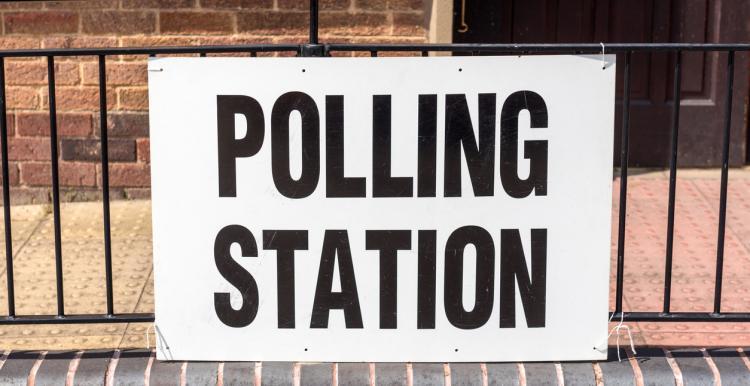
Sign reading 'polling station'

This article aims to give you the guidance you need for the duration of the upcoming local elections. It covers considerations such as staff and board member involvement in elections, managing your usual engagement and publication activity and dealing with media queries.

If you are still unsure how to handle specific activities during this time, please contact the Healthwatch England policy team via policy@healthwatch.co.uk 

Where and when do local elections take place?

Local elections take place in England on 7 May 2026. Ministers had previously announced plans to delay elections in 30 areas undergoing local government reorganisation, however the government withdrew its decision on 16 February 2026.

Local elections are being held for 4,851 council seats across 134 of England’s 317 councils. In addition, ‘shadow elections’ will be held for two new unitary authorities due to be created in Surrey in 2027. 

Many areas across England will also be electing parish and town councillors and some will also directly elect council leaders.

You can check if any elections are happening in your by entering a local postcode here on the Electoral Commission website. Please be aware of whether your Healthwatch covers multiple counties or unitary authority areas. 

The pre-election period of sensitivity

This is the time from the date the local election is called (formally described as the notice of election being published), which can be no later than Tuesday 31 March 2026, until the date of the election.

During this time public authorities are limited in what they can do, to ensure that they are not seen to favour one political group or interest.

The pre-election period of sensitivity only affects your Healthwatch if there are elections within your Healthwatch boundary. However, it is important to be aware of any elections happening in neighbouring areas and to be careful that your activity does not affect them. 

Key points

  •  All members of the Healthwatch network must continue to act in a politically neutral manner.
  • Your statutory remit to engage with the public means you can continue with day-to-day collection of people’s views.
  • Take an individual judgement on each report you wish to publish during this period.
  • Avoid activity that draws public attention away from the election.
  • Don’t re-post or share social media posts from candidates or their supporters that promote political positions.

Conduct of staff and board members 

Staff and/or board members may be involved in elections as supporters of political groups or as candidates. In these cases, it is important that they ensure that this is done in their own time and that they do not use any Healthwatch resources to support this activity.

Healthwatch will also need to ensure that their resources are not used in a way that might be seen as supporting any campaigning activity.

If any board members or staff are involved in canvassing, careful consideration should be given about their role in any public-facing activity during this period. You should consider whether a different person can take part in the activity or whether it can be postponed until after the election. It will be important to remind your board members and staff about your code of conduct and/or your conflict of interest policy so that they are clear about their responsibilities.

We would also urge your operational team to have a discussion with your local authority commissioner to establish if there will be any specific guidance during this period that the local authority will expect local Healthwatch to comply with, and share this with all staff and your board.

Engagement

Engaging with communities and enabling the involvement of local people in shaping services is a statutory function of local Healthwatch and can be continued during this period.

You should discuss with your board and operational team how you plan to conduct your external engagement (and communications) during this time. You  may need to adapt your approach to assure that you maintain your impartiality. Whatever work you are undertaking, it is expected that it should not draw attention away from the election, so you should be careful about how you publicise any engagement activity, even if the subject is not contentious.

During the pre-election period you should also think carefully before you launch any new consultations or publish report findings from consultation exercises, which could be politically sensitive.

Publications

During this period, you may want to publish findings of Enter and View visits, engagement work and survey findings. Material that would normally be considered objective and impartial may well be seen as political and attract attention from candidates who wish to highlight these as evidence to support their campaign. You should consider each report separately before deciding whether to publish new material.

Social media

As ever, in your capacity as a Healthwatch representative, be careful not to issue any personal opinions on social media platforms or make any comments from your Healthwatch account that could lead you into a political debate.

Avoid offering additional comment or opinion. Candidates and supporters may ask directly about the work of your Healthwatch, and any comment you make should be purely factual rather than expressing an opinion.

Do not retweet tweets from a political or campaigning organisation that is advocating party political positions, or from a local figure who is standing for election. Consider removing any applications that share content automatically to your social media channels during the election period.

Media enquiries

It is possible for comments made to the media to be taken out of context or misinterpreted and used in a way that could call into question your political impartiality or that of your local Healthwatch.

If a journalist contacts you during this period, you should direct journalists to material already in the public domain such as previous statements or reports that you have released on issues. Avoid offering additional comment or opinion, and if a journalist asks questions directly about Healthwatch, any comment you make should reflect previously published materials. This will be important if the journalist is fact-checking something said by a candidate, as you may be perceived as being critical of that candidate.

It can be better not to respond at all than being pushed into saying something that does not accurately reflect your views.

Working in partnership

Public sector organisations will be aware of the limitations imposed by the period of pre-election sensitivity, but partners from other sectors may not.

Check that any partnership activity that you are associated with takes account of the heightened sensitivity. For example, if a campaigning organisation wants to launch a report that you have collaborated on, you will need to be assured that it will not be seen as supporting a particular political group or candidate either directly or indirectly.

Healthwatch England activity during this period

Healthwatch England will be subject to  guidance issued by the Cabinet Office that will apply to all Government departments and arm's length bodies. During this time, we will continue with our day-to-day business of supporting the Healthwatch network and taking forward our projects.

However, we will be carefully considering if our work or publications could be perceived as having a particular local dimension or if they risk competing with local election activity for media coverage. 

More information

You may find these guides useful, from the Local Government Association  and for NHS organisations, from NHS England, on handling pre-election periods. 

If you have any questions about this articles, contact  the policy team at policy@healthwatch.co.uk.

How to analyse qualitative data

Qualitative data is information that captures people's views, emotions, thoughts, and attitudes. Analysing qualitative data allows you to draw meaningful insights and discover patterns and relationships in your evidence.
Mature man talking in group

Analysing and reporting on qualitative data can be time consuming and feel daunting. This guidance sets out the steps you’ll need to take.  

It covers:

  • How to organise and clean your data
  • The different types of qualitative analysis
  • Setting up a coding framework
  • Adding codes to your data
  • Organising your codes into themes
  • Data saturation
  • Reporting your data
  • How and when to use direct quotes

Downloads

Qualitative guidance